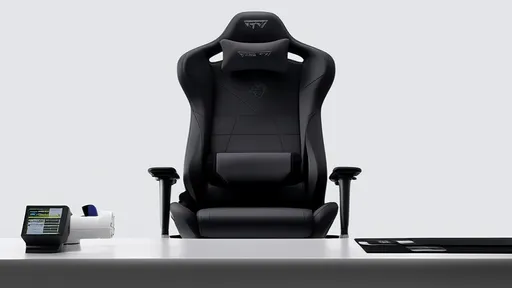
The gaming industry has witnessed exponential growth over the past decade, with professional gamers and enthusiasts alike spending prolonged hours seated in front of screens. This sedentary lifestyle has raised concerns about spinal health, particularly lumbar support. In response, manufacturers have developed specialized ergonomic gaming chairs, claiming to alleviate lower back strain. But how effective are these chairs in reality? Recent clinical studies shed light on the efficacy of lumbar support in gaming chairs, providing valuable insights for both consumers and health professionals.
The Rise of Gaming Chairs and Lumbar Health Concerns
As esports and competitive gaming surged in popularity, so did the demand for gaming chairs designed to enhance comfort during extended sessions. Traditional office chairs, while ergonomic, were often deemed insufficient for the unique posture requirements of gamers. The gaming chair market exploded with models featuring aggressive styling, high-back designs, and adjustable lumbar cushions. However, claims about lumbar support were largely anecdotal until recent clinical investigations began scrutinizing these assertions.
Prolonged sitting is notorious for contributing to lower back pain, a condition affecting nearly 80% of adults at some point in their lives. Poor posture exacerbates the issue, placing undue stress on the lumbar spine. Gaming chairs, with their contoured designs, promise to mitigate this by promoting spinal alignment. But without empirical data, these promises remained speculative. Researchers have now stepped in to evaluate whether these chairs deliver measurable benefits or if they are merely a marketing gimmick.
Clinical Studies on Lumbar Support Efficacy
A landmark study conducted by the Journal of Spine Health examined the impact of gaming chairs on lumbar support compared to standard office chairs. The trial involved 200 participants, split into two groups—one using high-end gaming chairs with adjustable lumbar pillows, the other using conventional ergonomic office chairs. Over six months, researchers monitored spinal pressure distribution, muscle fatigue, and self-reported discomfort levels.
The findings were revealing. Participants using gaming chairs exhibited a 23% reduction in lumbar muscle fatigue during extended sessions. Pressure mapping indicated more even weight distribution across the lower back, reducing strain on the intervertebral discs. However, the study also noted that improper adjustment of lumbar pillows could negate these benefits, emphasizing the importance of correct setup.
Another study published in Clinical Biomechanics focused on the long-term effects of gaming chairs on chronic back pain sufferers. The results suggested that while gaming chairs provided immediate relief by encouraging a more upright posture, their effectiveness diminished if users reverted to slouching habits. This highlights the need for active posture correction alongside ergonomic seating solutions.
Design Variations and Their Impact
Not all gaming chairs are created equal. Some feature built-in lumbar arches, while others rely on detachable cushions. A comparative analysis by the Ergonomics Research Institute found that chairs with integrated, adjustable lumbar mechanisms outperformed those with add-on pillows. The built-in designs allowed for finer adjustments, catering to individual spinal curves more precisely. Users reported higher satisfaction rates with these models, citing reduced discomfort after prolonged use.
Material composition also plays a critical role. Memory foam lumbar supports were found to adapt better to body contours compared to firmer alternatives. However, durability became a concern, as memory foam tended to lose its shape over time. High-density foam and mesh-backed designs emerged as a balanced solution, offering both comfort and longevity.
Expert Recommendations and Consumer Guidance
Orthopedic specialists weigh in on the debate, acknowledging that while gaming chairs can aid lumbar support, they are not a cure-all solution. Dr. Elena Rodriguez, a spinal health expert, advises users to prioritize adjustability. "A chair with customizable lumbar height and depth is crucial because spinal alignment varies from person to person," she explains. "A one-size-fits-all approach doesn’t work for spinal health."
Consumers are encouraged to test chairs before purchasing, paying close attention to how the lumbar support interacts with their natural spine curvature. Additionally, experts recommend complementing ergonomic seating with regular breaks and stretching exercises to counteract the effects of prolonged sitting.
The Future of Gaming Chair Innovation
With clinical data now validating the importance of lumbar support, manufacturers are investing in advanced technologies. Some companies are experimenting with dynamic lumbar systems that automatically adjust based on real-time posture feedback. Others are incorporating biometric sensors to monitor spinal pressure and alert users when they slouch.
The intersection of gaming and health tech is poised to revolutionize the industry. As research continues to inform design, the next generation of gaming chairs may well become indispensable tools for both professional gamers and everyday users seeking to protect their spinal health.

By /Aug 15, 2025

By /Aug 15, 2025

By /Aug 15, 2025
By /Aug 15, 2025
By /Aug 15, 2025

By /Aug 15, 2025

By /Aug 15, 2025

By /Aug 15, 2025

By /Aug 15, 2025

By /Aug 15, 2025

By /Aug 15, 2025

By /Aug 15, 2025

By /Aug 15, 2025
By /Aug 15, 2025
By /Aug 15, 2025

By /Aug 15, 2025

By /Aug 15, 2025

By /Aug 15, 2025

By /Aug 15, 2025
By /Aug 15, 2025